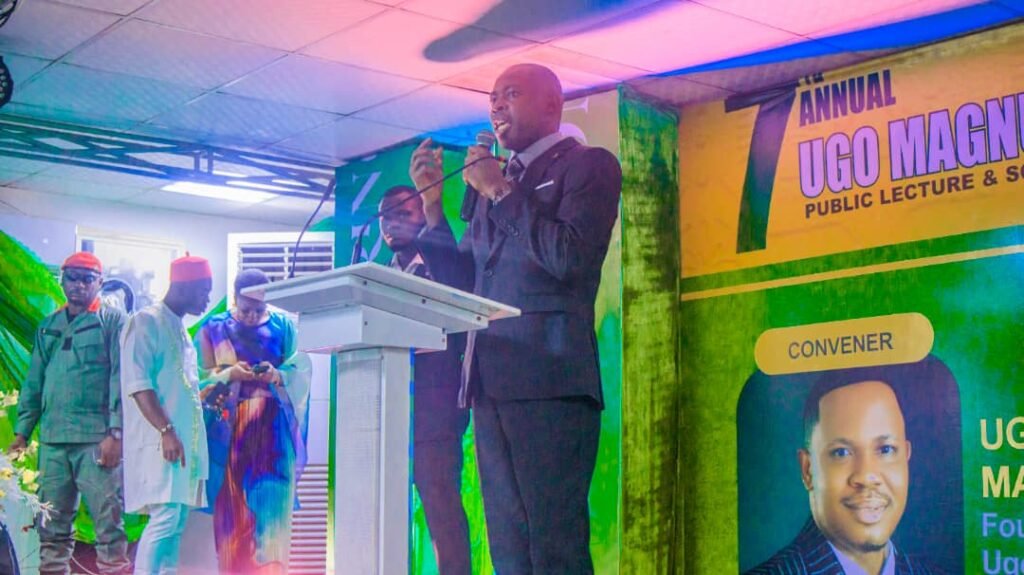
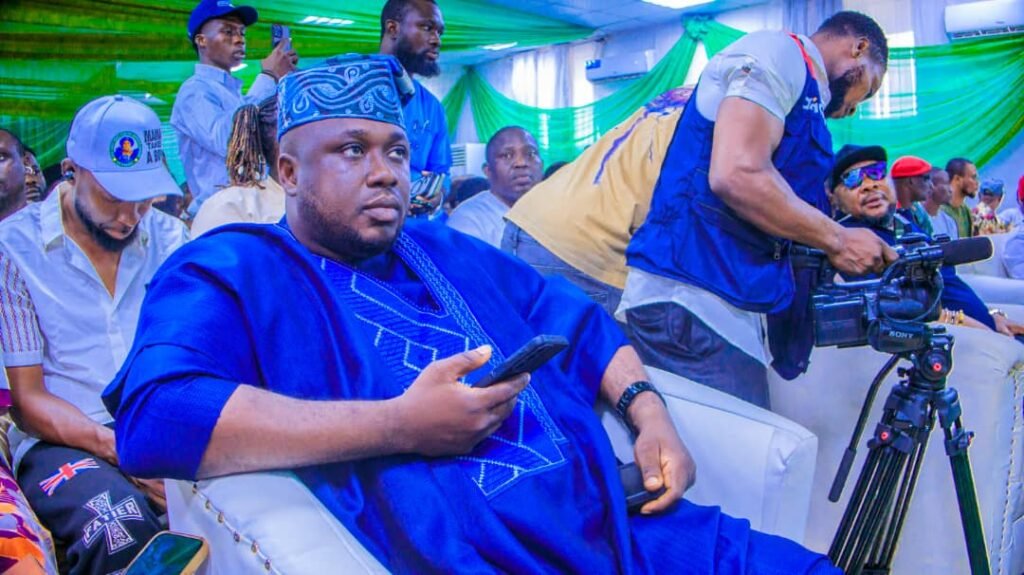
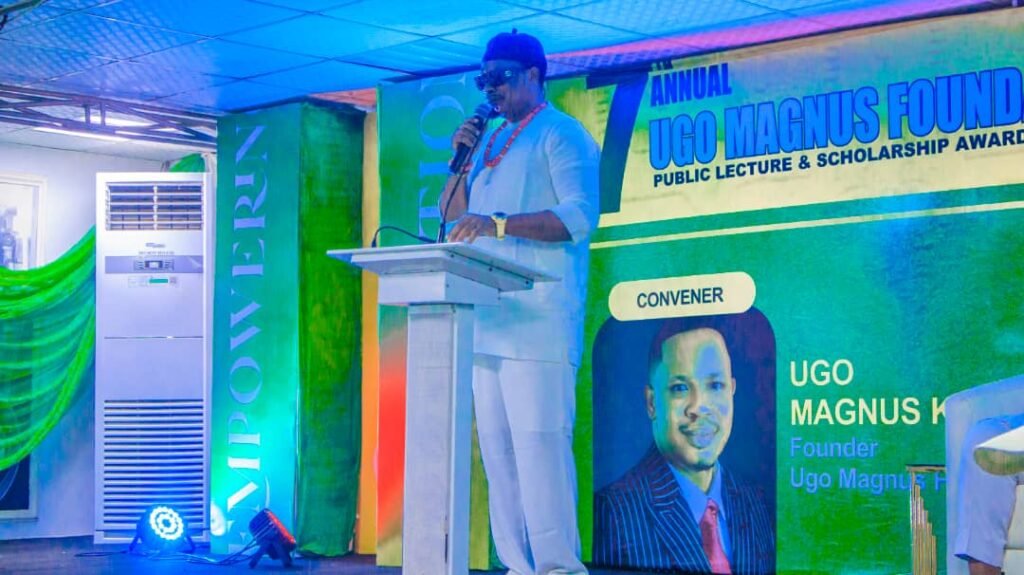
Sometimes, an invitation is more than an invitation; it can become a journey into a place you have read about, heard about, admired from a distance, and perhaps never imagined you would one day have the opportunity to visit. Between June and July this year, I received an invitation to Abakaliki, Ebonyi State, in southeastern Nigeria, to serve as a Special Guest of Honor at the 7th Ugo Magnus Foundation program, founded by Dr. Ugo Magnus Kel.
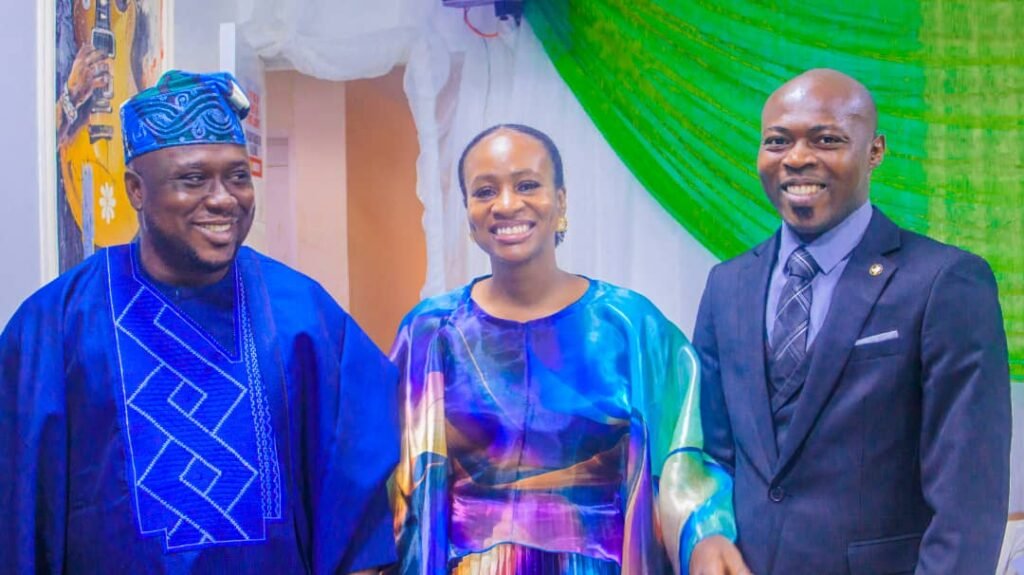
At first, I honestly wanted to decline the invitation because I have always considered myself more comfortable with a pen than a microphone. You know, Moses is a writer. I can spend five hours without talking and still be perfectly comfortable because my thoughts tend to flow more naturally onto paper. My heart speaks through writing, and when I sit before a blank page, I can express my thoughts, emotions, observations, and experiences in a way that feels natural to me. Speaking before an audience, however, requires an entirely different kind of presence, and I wondered whether I was truly the right person for the role I had been invited to undertake.
Yet, sometimes life places us in situations that require us to move beyond the boundaries of our comfort zone, and perhaps that was what this invitation represented for me. It was an opportunity to discover whether the person who had become accustomed to communicating through written words could also stand before people and allow those words to live beyond the pages.
Abuja: When Yesterday Meets Today
Before we travelled from Abuja to Enugu, another memorable experience added an unexpected dimension to the journey. At the VIP Lounge of the Domestic Terminal of Nnamdi Azikiwe International Airport, I found myself in the company of several distinguished Igbo personalities and other guests who were waiting for the flight to Enugu. Among them was Jerry Amilo, the renowned Nollywood actor.
Seeing him there made me reflect on how dramatically life can change. There was a time when I could make sacrifices with the little money I had simply because I wanted to watch films featuring actors like Jerry Amilo. At that time, Nollywood actors existed for me on television screens, and meeting one of them personally seemed like something belonging to another world. Yet, there I was, sitting in the same VIP Lounge with a man whose films I had once gone out of my way to watch.
It was one of those moments when the past quietly meets the present and reminds you that life does not always follow the path you imagine. The person you once admired from a distance can eventually become someone you sit beside, speak with and share an experience with. What made the encounter even more interesting was that our paths did not end at the airport. Jerry and I would later find ourselves invited to share the same platform as speakers, alongside other distinguished guests, creating another connection that I could not have anticipated when I was younger and simply watching his movies.
Also present in the lounge was Ms. Anto Lecky, who had served as our Master of Ceremony at our May programme. As we waited for our flight, I looked around and appreciated the significance of the moment. We were all preparing to travel to Enugu, but for me, the journey already felt like something more than an ordinary trip. It was beginning to bring together people, places and experiences that had previously existed in completely different chapters of my life.
Enugu: A Place I Had Known Through Literature
When we eventually landed at Akanu Ibiam International Airport in Enugu, I experienced a different kind of excitement because Enugu carried a personal literary significance for me. For years, I have admired Chimamanda Ngozi Adichie, the Nigerian novelist whose writing has travelled far beyond Nigeria and introduced readers around the world to African experiences, relationships, societies and histories through powerful storytelling.
Knowing that she was born in Enugu made my arrival there particularly meaningful. I found myself reflecting on the extraordinary relationship between literature and place. A writer can sit thousands of kilometres away and create stories that transport readers into communities, cities and cultures they may never have physically experienced. A reader can develop an emotional relationship with a place simply through the imagination and language of a writer, and then, unexpectedly, life can bring that reader to the very soil that once existed only in the realm of imagination.
For me, arriving in Enugu felt almost like a quiet fulfilment of something I had never consciously planned. I had admired a woman who had made her birthplace and her wider Nigerian environment part of the literary consciousness of readers around the world, and now I was standing there myself, not merely as a visitor passing through, but as an African writer travelling with a responsibility to participate, speak and contribute to an important occasion.
Perhaps this is one of the beautiful things about being a writer. We do not always know where our words will eventually take us. Sometimes we write about places we have never visited, people we have never met and experiences we have never personally encountered, only to discover years later that life has brought us physically into those spaces. Literature can build bridges long before our feet ever cross them.
From Enugu to Abakaliki
Would the excitement end when we landed in Enugu? Not at all. In many ways, the journey was only beginning. From the airport, we were taken to Hotel Presidential for refreshments before continuing towards Abakaliki, and as I sat there, I began to appreciate Dr Ugo Magnus Kel’s invitation from a much broader perspective.
The invitation was not simply another programme on my calendar. It had opened a door into a part of Nigeria that I had previously known largely through stories, relationships, media and imagination. It was taking me into Ebonyi State, into Abakaliki and into the heart of southeastern Nigeria, where I would meet people, experience another environment and participate in an occasion that had brought together individuals from different walks of life.
To be invited as a Special Guest of Honour is also a responsibility. It means that someone believes your presence can add value to an occasion and that your experiences, ideas or voice have something meaningful to contribute. For someone like me, who had initially considered declining because I saw myself primarily as a writer rather than a speaker, that responsibility became even more significant.
The journey also eventually took me towards Adoka, Benue State, where I have family ties, making the experience even more personal. What had begun as an invitation to Abakaliki gradually became a journey through relationships, culture, literature, family connections and personal discovery. Abuja, Enugu, Ebonyi and Benue were no longer simply names on a map; they were becoming part of a personal story that I had not known I was writing.
When a Writer Is Asked to Speak
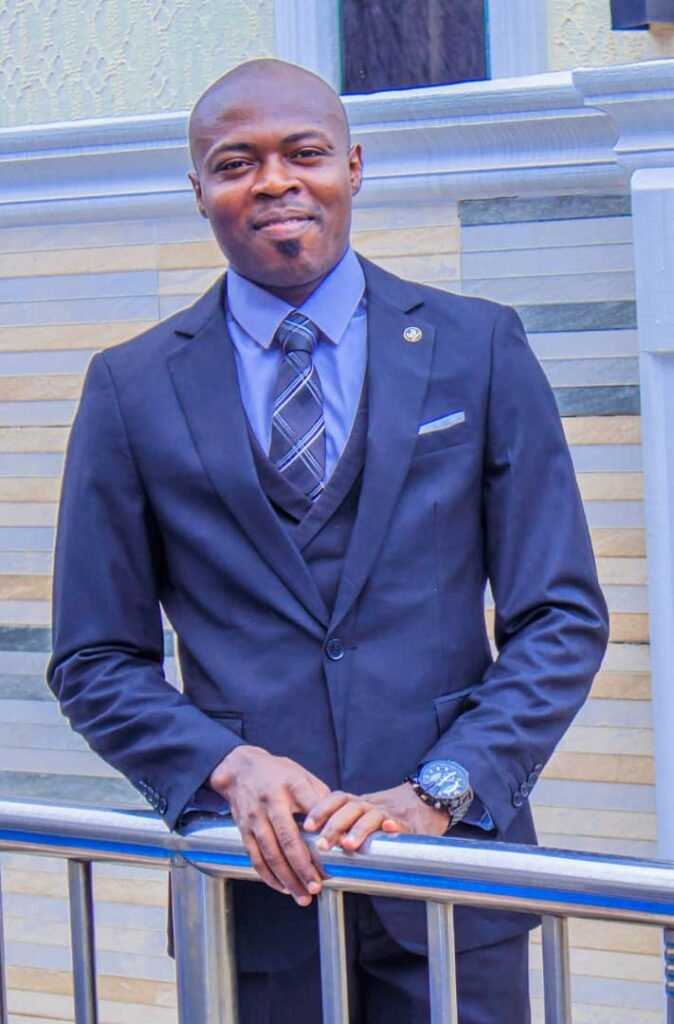
Perhaps the greatest lesson I took from the experience was the realisation that sometimes a person who spends much of his life writing must also learn to speak. I remain deeply comfortable with writing because that is where I have always found a natural home. Give me a manuscript, a notebook or a blank page, and I can spend hours organising thoughts, exploring ideas and giving shape to experiences through words. Writing gives me the space to think deeply before I communicate, whereas speaking requires the immediate courage to stand before people and allow those thoughts to come alive in real time.
Nevertheless, life does not always allow us to remain within the spaces where we are most comfortable. There are moments when we are required to stand before people, share what we know, encourage others and contribute our voice to a conversation. There are also moments when an invitation itself becomes a test of whether we are prepared to grow beyond the identity we have become accustomed to.
For me, the invitation to Abakaliki became one of those moments. It was not merely about receiving the title of Special Guest of Honour or sitting among distinguished personalities. It was an opportunity to step beyond the pages of my books and allow my voice to meet people directly. It reminded me that a writer can also be a speaker, that someone who values silence can still have something important to say, and that the ability to communicate through writing does not have to exclude the courage to communicate before an audience.
Looking back, I am grateful that I did not allow my initial hesitation to determine the course of the journey. Had I declined the invitation, I would have missed not only the opportunity to visit Abakaliki but also the experiences that came before and after it: sitting beside Jerry Amilo at the airport, reconnecting with familiar faces, travelling to Enugu, touching the soil of a city associated with a writer I greatly admire, experiencing the hospitality along the journey and eventually continuing towards a part of Benue where I have family ties.
As I travelled from Abuja to Enugu, from Enugu towards Abakaliki and eventually into Benue, I began to understand that some invitations are not simply requests to attend an event. They can become opportunities to encounter people you once knew only from a distance, to visit places you previously knew only through books and stories, and to discover dimensions of yourself that you had not yet been compelled to explore.
Perhaps, therefore, what it means to be invited to Abakaliki is not simply that one has been honoured by an invitation. It is that someone has opened a door through which another chapter of one’s journey can begin, and sometimes the most meaningful chapters are the ones we never planned to write.
Thanks for reading! If you have any suggestions or questions about our services, please contact us.

Follow Us: