Africa’s greatest resource is often described in terms of its minerals, oil, agricultural potential, natural beauty and rapidly expanding markets, yet none of these resources can compare with the human potential represented by the continent’s children. They are the generation that will inherit Africa’s institutions, lead its businesses, shape its communities and determine whether the continent succeeds in transforming its enormous potential into sustainable development. Protecting them, therefore, is not simply a humanitarian responsibility or a matter for governments and development organisations; it is one of the most important investments Africa can make in its own future.
Yet across many parts of the continent, millions of children continue to grow up in environments where their safety, dignity and opportunities are threatened by violence, exploitation, neglect, poverty, harmful social practices and weak protection systems. In West and Central Africa, violence, abuse, exploitation, child marriage, trafficking, harmful practices, migration-related vulnerabilities and armed conflict remain among the major child-protection challenges confronting children and communities.
The uncomfortable reality is that many children are not endangered by strangers alone. Some face danger within homes, schools, communities and institutions that are supposed to protect them. A child can be physically present in a family and still live without protection. A child can attend school and still experience abuse. A child can live within a community and remain invisible to the systems responsible for safeguarding his or her rights. This is why child protection must be understood not merely as rescuing children after harm has occurred, but as creating families, communities, institutions and laws capable of preventing harm before it happens.
Protection Must Begin With Recognition
One of the most fundamental forms of protection is surprisingly simple: knowing that a child exists.
Birth registration is more than an administrative exercise. It gives a child legal identity and creates an official record that can help establish age, nationality and entitlement to essential services. Legal identity can also help protect children from exploitation, child marriage, trafficking and other abuses in which proof of age and identity becomes essential.
When children remain undocumented, they can become invisible to the very systems designed to protect them. They may struggle to access education, healthcare, social protection and justice, while authorities may find it more difficult to identify and respond to cases of exploitation or abuse. Africa must therefore treat birth registration as a child-protection priority rather than simply a civil-registration statistic.
Every child deserves to have a name recognised by the State, an identity protected by law and a future that is not compromised by the absence of documentation. A continent that does not know how many of its children exist, where they are and whether they are receiving basic services will struggle to protect them effectively.
Poverty Must Never Become a Licence for Exploitation
Poverty is one of the factors that can expose children to exploitation, but poverty itself should never be used to justify the violation of a child’s rights.
Across Africa, families facing severe economic hardship may struggle to provide food, education, healthcare and safe housing. In such circumstances, children can become vulnerable to child labour, trafficking, early marriage, sexual exploitation, forced migration and other forms of abuse. The answer cannot be to blame poor families for circumstances they often cannot control. The answer must be to strengthen social protection, support vulnerable households and ensure that children are not required to pay the price for economic hardship.
A society that allows a child to leave school because the family cannot afford basic needs is not merely facing an educational problem; it is facing a child-protection problem. A society in which a girl is married because her family believes marriage will reduce economic pressure is confronting not only a cultural issue but also a failure of protection and social support.
This is why governments must view investment in children as an essential component of national development. Social protection, education, healthcare, family support and child welfare services should not be treated as optional programmes that survive only when external donors are available. They should be incorporated into national development planning and adequately financed through domestic resources.
Child Marriage Is Not a Tradition That Must Be Preserved at the Expense of a Child
Few issues demonstrate the complexity of child protection more clearly than child marriage. In communities where early marriage has existed for generations, challenging the practice can sometimes be presented as an attack on culture, religion or family values. But culture cannot become a shield behind which the rights and dignity of children are sacrificed.
Marriage before the age of 18 has profound consequences for a child’s education, health, emotional well-being, economic opportunities and personal development. Girls who are married too early can face early pregnancy, social isolation, interrupted education and increased exposure to domestic violence. The consequences can extend beyond the individual child and affect families and communities for generations.
The most effective response must therefore combine law, education and community engagement. Legislation is essential, but legislation alone cannot eliminate practices deeply embedded in social structures. Parents, traditional leaders, religious authorities, teachers, health professionals, community organisations and young people themselves must be part of the solution.
Africa does not have to choose between protecting its cultural heritage and protecting its children. The continent can preserve traditions that strengthen families and communities while rejecting practices that expose children to harm.
The Home Must Be a Place of Safety
Child protection cannot succeed if protection ends at the school gate or government office. The first environment in which most children encounter the world is the home, and families therefore have an extraordinary responsibility to create environments where children are treated with dignity, listened to and protected from violence.
This does not mean that African parents are inherently incapable of protecting their children. On the contrary, millions of African parents make extraordinary sacrifices every day to provide for their families. However, social attitudes that normalise physical punishment, silence children, dismiss allegations of abuse or place family reputation above a child’s safety can create environments in which abuse remains hidden.
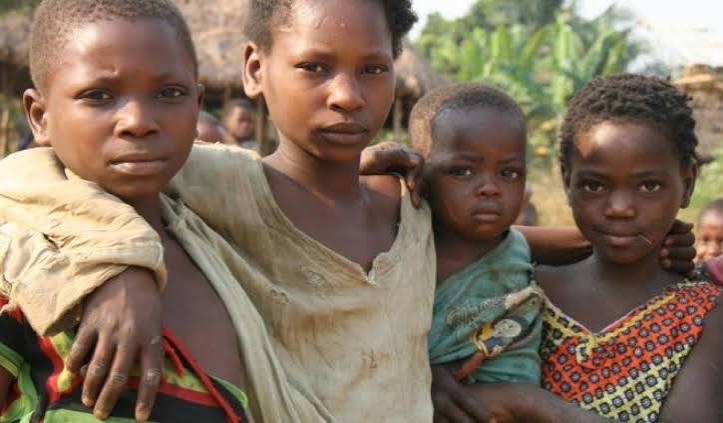
The situation in Sierra Leone demonstrates how complex these challenges can be. Children can experience violence, abuse and exploitation at home, in schools and within their communities, while poverty, harmful social norms and limited access to protection services can make it harder for families and institutions to respond effectively.
A child who reports abuse should not immediately be asked what he or she did to cause it. A child who speaks about exploitation should not be silenced because the accused person is powerful, wealthy or respected. Protecting children requires adults to listen carefully, investigate responsibly and place the safety of the child above the preservation of reputation.
Schools Must Become Stronger Protection Systems
Schools are among the most important institutions in the life of a child, particularly in communities where schools provide access not only to education but also to trusted adults, health information, social support and opportunities for personal development.
Teachers therefore have responsibilities that extend beyond the classroom. They must be equipped to recognise signs of abuse, bullying, neglect, trafficking and psychological distress and know where to refer children who require professional assistance. Schools should also have clear safeguarding policies, confidential reporting mechanisms and procedures for responding to allegations.
Education itself is one of the strongest forms of protection. A child who remains in school is more likely to develop skills, build confidence and access opportunities that can reduce vulnerability to exploitation. This is particularly important for girls who face pressure to leave school for marriage or early motherhood.
The question should not simply be whether children are enrolled in school. Africa must ask whether they are safe there, whether they are learning, whether they are being heard and whether the education system is preparing them to live with dignity.
Justice Must Protect the Child, Not the Powerful
A child-protection system is only as strong as its response when something goes wrong.
When allegations of abuse are made, survivors and their families should not have to fight against institutions that are more interested in protecting reputations than pursuing justice. Investigations must be professional, timely and sensitive to the age and circumstances of the child. Children should not be repeatedly exposed to traumatic processes simply because institutions failed to coordinate their response.
This requires stronger police units, specialised prosecutors, child-friendly courts, trained social workers, psychological services and reliable referral mechanisms. It also requires accountability when officials, institutions or influential individuals obstruct justice.
Africa cannot build a culture of child protection while allowing powerful adults to operate beyond accountability. The law must communicate clearly that the status, wealth, influence or social position of an accused person does not place him or her above the rights of a child.
The African Child Must Have a Voice
Perhaps one of the most overlooked dimensions of child protection is the participation of children themselves.
Africa’s Agenda for Children 2040 recognises the importance of ensuring that children’s views matter and places protection from violence, exploitation, neglect and abuse alongside access to legal identity, education and basic necessities.
Children are not merely recipients of policies created by adults. They are human beings with experiences, fears, ideas and aspirations that should inform the policies designed to protect them.
Listening to children does not mean transferring adult responsibilities onto them. It means creating safe and appropriate opportunities for them to express themselves and ensuring that adults take those voices seriously.
A child who says, “I am afraid,” should not automatically be told to stop complaining. A child who says, “Something is wrong,” deserves to be heard. Sometimes the first step toward protecting a child is simply believing that the child deserves to be listened to.
Governments Must Move From Reaction to Prevention
For too long, many child-protection systems have operated primarily after tragedy has occurred. A child disappears, authorities begin searching. A child is abused, institutions begin responding. A girl becomes pregnant, communities begin asking questions. A child is trafficked, agencies begin looking for the trafficker.
This reactive approach is necessary in emergencies, but it is not enough.
Africa needs stronger preventive systems capable of identifying vulnerability before exploitation occurs. This means investing in social workers, community-based child-protection networks, family support programmes, birth registration, education, healthcare, safe migration systems and reliable data.
It also means giving child-protection institutions the financial and human resources required to perform their duties.
Chronic underfunding can weaken prevention, response, justice and family-strengthening services, leaving institutions overstretched and vulnerable children without the support they need.
A protection system that exists only on paper cannot protect a child.
The Responsibility Belongs to All of Us
Child protection cannot be left entirely to governments, international organisations, NGOs, police officers or social workers. Those institutions have important responsibilities, but communities must also recognise their own role.
Parents must protect and listen to their children. Teachers must safeguard their pupils. Religious leaders must speak against abuse. Traditional leaders must protect children within their communities. Journalists must report responsibly without exposing vulnerable children to further harm. Civil-society organisations must continue advocacy and survivor support. Businesses must strengthen safeguarding practices within their operations and social investments. Young people must also be encouraged to become advocates for the safety and dignity of their peers.
Most importantly, society must stop asking why a child did not speak earlier and begin asking why the environment made speaking so difficult.
Africa’s Future Is Sitting in Its Classrooms
The debate about Africa’s future often focuses on infrastructure, technology, elections, investment, natural resources and economic growth. All of these matters are important, but none can compensate for a generation of children whose potential has been damaged by violence, exploitation, neglect or exclusion.
A continent cannot claim to be building a prosperous future while millions of children are denied the safety and opportunities necessary to participate in that future.
Africa’s Agenda for Children 2040 was created around precisely this recognition: that protecting and empowering children is inseparable from the continent’s long-term development. Its aspirations include effective child-friendly laws and institutions, universal birth registration, access to education and protection from violence, exploitation, neglect and abuse.
The challenge now is implementation.
Africa does not need another generation of declarations that remain on shelves while children continue to suffer. It needs political courage, accountable institutions, adequately funded protection systems and communities willing to challenge practices that place children at risk.
Every child deserves the opportunity to grow up without fear, to receive an education, to have a legal identity, to be protected from exploitation and to imagine a future larger than the circumstances into which he or she was born.
The true measure of Africa’s progress will therefore not be found only in the height of its buildings, the size of its economies or the sophistication of its cities. It will also be found in something far more fundamental: whether an African child can grow up safe, heard, educated and free to become everything he or she has the potential to be.
If Africa wants a stronger future, it must begin by protecting the children who will inherit it.
Thanks for reading! If you have any suggestions or questions about our services, please don’t hesitate to contact us.

Follow Us: